Figuring Out Budapest’s Rhythm
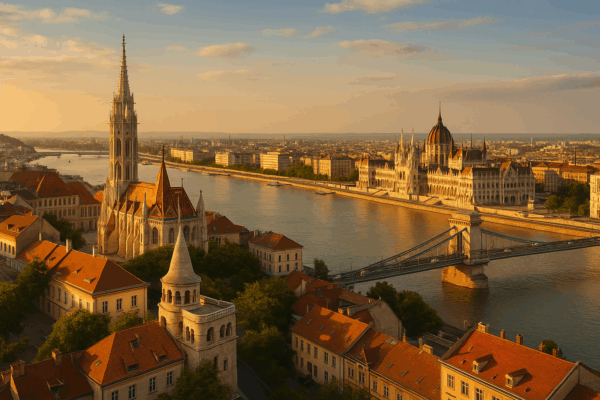
Budapest isn’t a city you simply tick off a list. It’s a place that gets under your skin slowly: steam curling up from thermal baths on a winter afternoon, the Parliament’s reflection trembling in the Danube at night, the quiet hum of conversations in cafés where nobody is in a hurry to leave. If you plan your trip with a bit of intention, you can lean into that atmosphere instead of racing past it with an overstuffed itinerary and sore feet.
The city’s character shifts with the seasons, and your experience will shift with it. In summer, the river promenades fill with people, ruin bars overflow into courtyards, and sunsets stretch later into the evening. Spring and early autumn offer a more balanced feel: enough warmth to enjoy walking everywhere, but fewer crowds jostling for the same photo spots on the Chain Bridge. Winter strips things back. It can be cold and stark, but in a way that makes long sessions at Széchenyi or Gellért Baths feel all the more luxurious, and you’ll likely spend less time queuing at major sights.
Thinking about when you go is the first step in avoiding burnout. The second is deciding what kind of days you actually want to have, rather than what you think you’re “supposed” to see.
Choosing Your Base in the City
The postcard image of Budapest tends to show bridges and domes, but a lot of your daily experience will come down to something more mundane: where your bed is. The Danube divides the city into Buda and Pest, and each side has its own rhythm.
Buda is the hillier, quieter side. Streets wind up toward the castle district and viewpoints, and many neighborhoods feel more residential. It suits travelers who like to retreat somewhere calm at the end of the day and wake up with a sense of local life around them rather than nightlife.
Pest is flatter and busier. Most restaurants, bars, and newer hotels cluster here, especially around districts V, VI, and VII. If you enjoy stepping out of your building into streets full of cafés, bakeries, and tram lines, this is likely where you’ll feel most at home.
When you browse accommodations, it’s worth reading reviews with a bit of care. Instead of scanning only star ratings, look for recurring comments about noise, ease of getting to the metro, or whether the photos match reality. Sites like TripAdvisor can be especially helpful for comparing traveler impressions of different neighborhoods and hotels, so you pick a base that fits your travel style instead of an abstract idea of where you “should” stay.
Moving Through Budapest Without Stress
The way you navigate Budapest will shape your days as much as the places you choose to visit. Luckily, this is a city where public transport actually makes travel easier, not more complicated. Trams skim along the riverbanks, metro lines connect major hubs, and buses fill in the gaps.
One useful approach is to make your first ride a low-pressure test run. On your first afternoon, hop on a tram along the Danube just to see how the stops are announced and how tickets work, or take the metro a few stations and back again. Getting familiar with the system when you are not rushing to a reservation makes it much less intimidating later when you’re tired and just want to get home.
Travel cards that cover multiple days can simplify life even further. When you are not mentally calculating the cost of each ride, you’re more likely to use the system freely instead of walking long distances out of stubbornness. The Danube itself is a useful compass: if you know which side of the river you are on and roughly where your accommodation sits in relation to it, it is surprisingly hard to get truly lost.
Late at night or with luggage, taxis and ride-hailing apps can still be useful, but they become accents rather than the backbone of your movement through the city.
Designing Days Around Feelings Not Checklists
Budapest has more “must-see” spots than you’ll comfortably pack into a short city break. If you try to collect them all in a rigid checklist, you might technically “do” a lot and still feel like you barely experienced the city.
A softer approach is to think in themes rather than pure sightseeing. Instead of “today I must see the castle, the Parliament, and three churches,” you might decide “today is about grand architecture and views.” That could mean wandering around the Parliament building, crossing the river for castle panoramas, and finishing with a walk along the Pest riverfront at dusk. You will still see big-ticket sights, but in a way that feels more like a story than an errand list.
Another day could revolve around warmth and water. Start in a thermal bath, let yourself stay longer than planned, then follow it up with a leisurely lunch and a slow afternoon in nearby parks and side streets. Yet another day might focus on the city’s nightlife and creative energy: daytime exploration of the Jewish Quarter’s streets and courtyards, followed by ruin bars and late-night food.
This kind of planning reduces backtracking across the river and, just as importantly, gives you permission to linger. If you find a café or gallery that really pulls you in, you are not “ruining the schedule”; you are deepening the theme of the day.
Spending Wisely Without Feeling Restricted
Budapest has a reputation for being good value, and it often is, but that doesn’t mean you can ignore your budget. The key is to decide what you care about most and let the rest be flexible.
Many travelers find it helpful to choose a couple of clear splurges ahead of time: maybe a special tasting-menu dinner, a private tour that dives deeper into the city’s history, or a Danube cruise with a great view of the lit-up skyline. When those are planned, everything else can be more relaxed. You might balance a fancy dinner with market food the next day, or pair a high-end bar night with casual neighborhood spots for the rest of the week.
The drink bill is where costs quietly creep up. Rooftop terraces and cocktail bars are a big part of Budapest’s appeal, and it would be a shame not to experience at least a few. But alternating between view-heavy venues and simpler local bars keeps your wallet happier and gives you a more rounded sense of the city’s nightlife.
Markets, bakeries, and small local restaurants are great allies. They offer filling meals and snacks without the markup of the most touristed streets, and they’re often where you get the strongest sense of everyday life.
Letting Budapest Surprise You
Some of the most vivid memories people carry home from Budapest don’t come from guidebook highlights. They come from smaller, unplanned moments: noticing a faded mural in a quiet street, listening to an impromptu performance in a courtyard, or watching locals gossip over coffee in a café that never appears on a “top ten” list.
To leave room for those moments, you have to resist the temptation to solve every detail in advance. By all means, use digital tools and planning sites to avoid nasty surprises—check opening hours, book tickets for attractions that sell out easily, confirm that your chosen restaurant is open on the night you want to go. But then, stop short of scripting every hour.
Leave one afternoon with nothing on the calendar beyond “walk until something catches my eye.” Give yourself an evening that can pivot based on a recommendation from a bartender or a fellow traveler. Follow your curiosity down a side street even if it takes you a few extra minutes to find your way back.
Traveling “intelligently” in Budapest doesn’t mean discovering a secret hack or obsessively optimizing every step. It means making enough thoughtful choices that the city has space to reveal itself, rather than you constantly wrestling with logistics. When you do that, Budapest becomes more than a cluster of sights on a map. It becomes a place you might want to return to—not because you missed anything, but because slowing down allowed you to actually connect with it.